


After years of Docker Desktop dominance and macOS users flocking to OrbStack, Red Hat finally brings its Enterprise Podman Desktop to the market. Yes, it’s late—but better late than never.
What Is Podman Desktop?
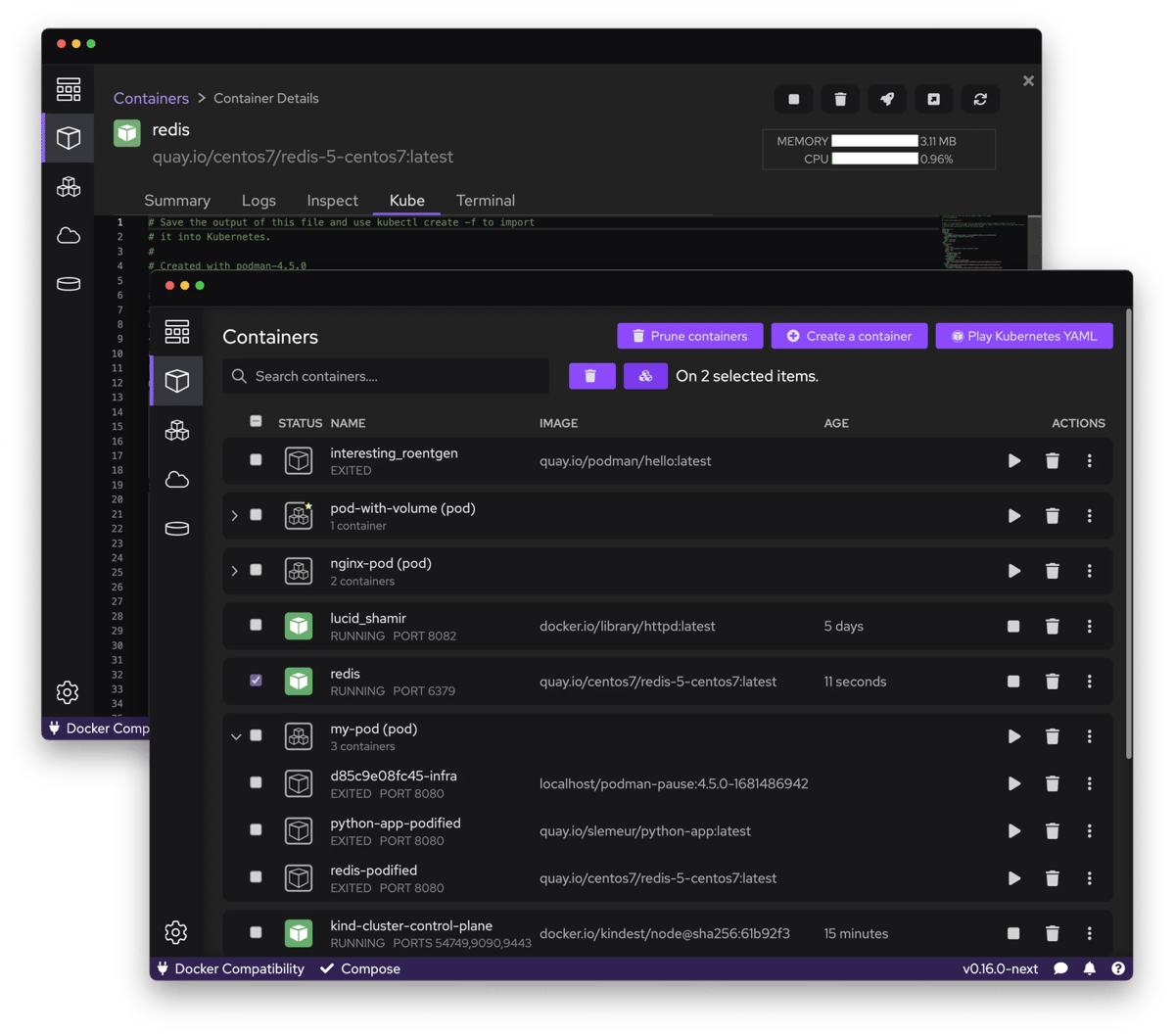
For newcomers, Podman Desktop is an open-source desktop application for managing containers, images, and pods via a graphical interface. Available on Linux, macOS, and Windows, it has been around for years and officially joined the CNCF in January 2025 alongside Red Hat’s other container projects like Buildah, Skopeo, bootc, and Composefs.
Podman Desktop simplifies container management:
- Launch and monitor containers without CLI commands
- Manage images and pods visually
- Generate Kubernetes YAML from local pods for deployment
Red Hat Enterprise Build: What’s New?
Red Hat’s enterprise edition builds on the standard Podman Desktop but adds a layer of administrative control. Key features include:
- Fleet-wide settings: registry mirrors, HTTP proxies, and custom certificates
- Enhanced Kubernetes integration: deploy pods on Kind, Minikube, or OpenShift directly from the GUI
- RHEL-focused features: bootable OCI image support and extended image handling
Essentially, the experience remains Podman Desktop under the hood—but with enterprise-grade admin tools for IT departments.
Security and Docker Compatibility
One major difference from Docker Desktop:
- Rootless operation: Podman runs without a daemon, improving security
- Docker Compose support: available via aliasing, though complex Docker Compose setups may require testing
For RHEL users, Podman is already included in subscriptions, making integration seamless within Red Hat environments.
Timing and Market Position
Red Hat enters the desktop container GUI market very late. Docker Desktop is the de facto standard, OrbStack dominates macOS with a lightweight solution, and Rancher Desktop/Portainer Business Edition have established user bases.
Red Hat’s strategy is realistic: target organizations already using RHEL and Red Hat tooling rather than trying to lure Docker Desktop users away. For enterprises fully invested in Red Hat ecosystems, this makes sense.
Availability and Use Case
Enterprise Podman Desktop is now generally available through Red Hat developer channels. Highlights:
- Open source and free
- Ideal for IT teams managing RHEL fleets
- Strong Kubernetes and OpenShift integration
- Enhanced enterprise admin controls
For non-Red Hat environments, Docker Desktop or OrbStack remain better choices. But for RHEL subscribers, Enterprise Podman Desktop offers a convenient, secure, and integrated container GUI.
Bottom line: Red Hat hasn’t reinvented the wheel, but it has packaged Podman Desktop with the features enterprises need. If your workflow revolves around RHEL and OpenShift, it’s worth a look—especially for rootless container management and enterprise Kubernetes deployment.
And if you'd like to go a step further in supporting us, you can treat us to a virtual coffee ☕️. Thank you for your support ❤️!

We do not support or promote any form of piracy, copyright infringement, or illegal use of software, video content, or digital resources.
Any mention of third-party sites, tools, or platforms is purely for informational purposes. It is the responsibility of each reader to comply with the laws in their country, as well as the terms of use of the services mentioned.
We strongly encourage the use of legal, open-source, or official solutions in a responsible manner.
Comments